Geolocation Accuracy Variations Affecting Bonus Eligibility in State-Regulated Mobile Wagering Apps
Bianca Sullivan · Aug 18, 2026
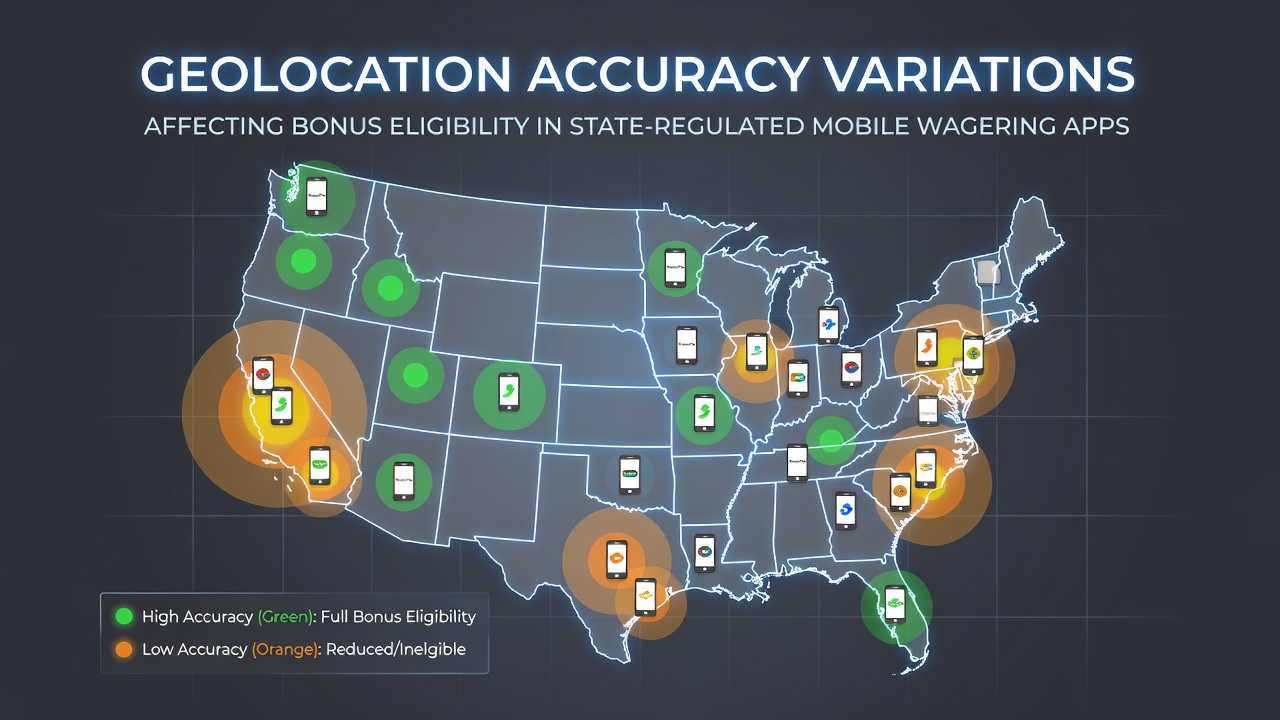
Geolocation Accuracy Variations Affecting Bonus Eligibility in State-Regulated Mobile Wagering Apps
State-regulated mobile wagering apps rely on geolocation technology to confirm that users remain inside approved boundaries before they can claim or maintain bonus offers, and accuracy issues arise from signal interference, device differences, and environmental factors that alter how precisely an app can pinpoint a player's position. These variations create situations where eligible users find bonuses denied even when they meet all other requirements, prompting operators and regulators to examine the underlying systems more closely.
Core Mechanisms Behind Location Verification
Apps integrate GPS data with Wi-Fi triangulation and cellular tower information to establish a user's location within state lines, while bonus eligibility hinges on this confirmation because promotional terms often restrict offers to specific jurisdictions. Data shows that urban environments with tall buildings produce signal reflections that shift reported coordinates by several hundred feet, whereas rural areas experience weaker satellite connections that lead to intermittent updates during active sessions. Observers note that iOS and Android platforms handle these inputs differently, with one study revealing that certain Android devices report locations up to 50 meters off compared to iPhone equivalents under identical conditions.
Environmental and Technical Factors Driving Inconsistencies
Weather conditions such as heavy cloud cover or storms further degrade GPS precision, and indoor placement near thick walls compounds the problem by limiting satellite visibility. Those who operate wagering platforms report that users attempting to claim bonuses from within state borders sometimes receive denials when their devices default to less accurate location services during peak network loads. In August 2026, several states recorded increased support tickets related to these mismatches, with patterns indicating that commuters near state lines faced the highest rates of temporary blocks even though they never crossed borders.
Effects on Bonus Structures and Player Access
Bonus offers tied to deposit matches or free play often include strict geofencing clauses that suspend rewards the moment location data falls outside acceptable parameters, and this setup means a single inaccurate reading can forfeit an entire promotional balance. Research indicates that players in densely populated zones encounter these interruptions more frequently than those in open areas, while device settings for battery optimization sometimes disable continuous GPS tracking and force apps to rely on coarser cellular data alone. Experts have observed that multi-state operators must maintain separate compliance thresholds for each regulated market, adding layers of verification that occasionally conflict when location signals fluctuate rapidly.
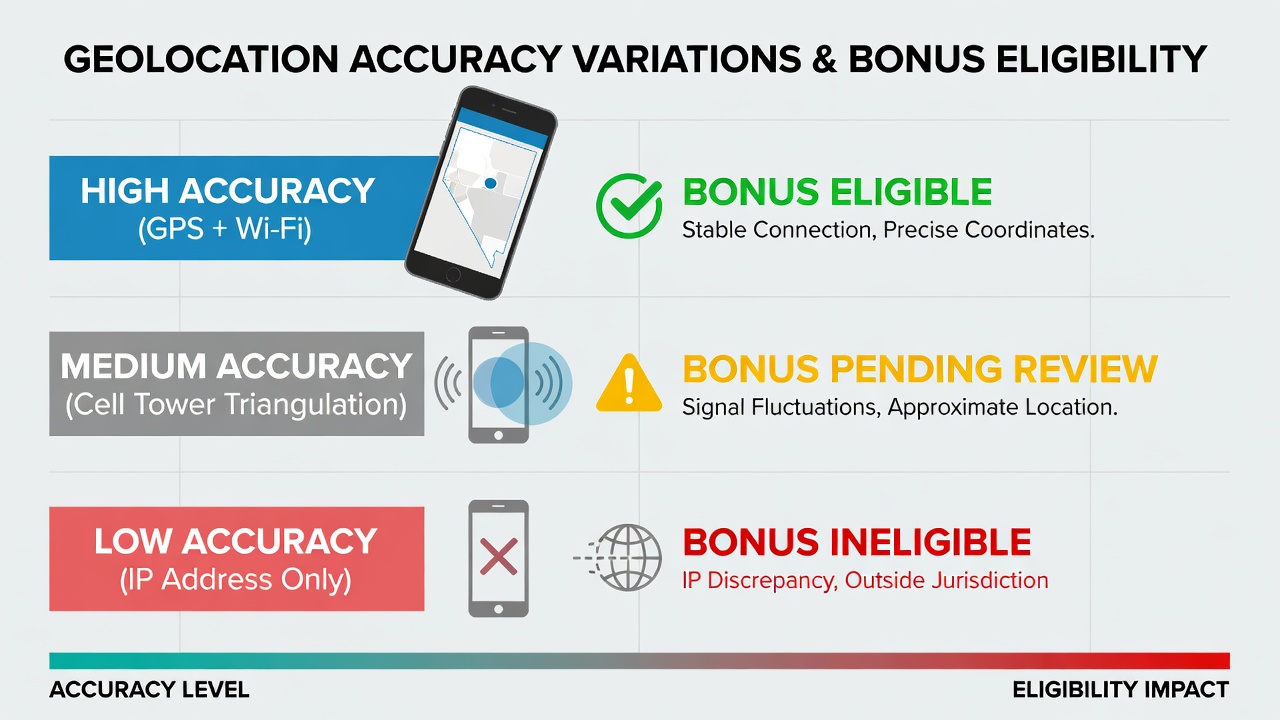
Operators respond by implementing fallback checks that combine IP addresses with user-provided address verification, yet these additional steps still leave gaps when initial GPS data triggers an immediate lockout. Figures from industry reports reveal that bonus claim failure rates tied to location errors reached 12 percent in certain markets during periods of high usage, prompting developers to refine algorithms that average multiple data points over short intervals rather than relying on single snapshots.
Regulatory Oversight and Technological Adjustments
State gaming commissions require operators to document geolocation performance metrics and conduct periodic audits, according to information published by the New Jersey Division of Gaming Enforcement. These requirements aim to reduce erroneous denials while preserving the integrity of jurisdictional boundaries that define legal wagering activity. Meanwhile, the Malta Gaming Authority has examined similar location challenges in cross-border digital platforms, offering comparative data that U.S. regulators reference when updating their own standards. In August 2026, several states began piloting hybrid systems that incorporate Bluetooth beacons in high-traffic venues to supplement traditional GPS signals and stabilize readings for bonus eligibility checks.
Case Patterns Across Different Jurisdictions
Take one operator active in Pennsylvania and New Jersey markets that adjusted its verification radius after internal testing showed frequent discrepancies near the Delaware River border area, where river traffic and bridge infrastructure interfered with satellite signals. Researchers discovered that users who enabled location services only when opening the app rather than keeping them active throughout sessions experienced more bonus interruptions than those who maintained constant tracking. Patterns of background audio design influencing session duration in virtual card game interfaces across mobile platforms also intersect with these location checks, because prolonged sessions increase the chance that signal drift will trigger a re-verification failure mid-play.
Future Developments in Precision Standards
Industry groups continue to test next-generation positioning technologies such as enhanced GNSS receivers and crowd-sourced Wi-Fi mapping to narrow the margin of error that currently affects bonus access. Data indicates that improved accuracy could reduce disputed claims by more than 30 percent based on early trials conducted in controlled environments. Those who manage compliance teams emphasize that any new system must still meet strict audit criteria set by individual state regulators to avoid introducing fresh vulnerabilities.
Conclusion
Geolocation accuracy directly shapes whether users receive the bonuses they qualify for under state rules, and ongoing refinements in both hardware and software seek to minimize disruptions caused by environmental and technical variables. Regulatory bodies across multiple jurisdictions maintain oversight through required reporting and testing protocols, while operators adapt their platforms to handle fluctuating signals without compromising boundary enforcement. As technology advances, the balance between precise location verification and seamless user experience remains central to how these systems evolve in regulated mobile wagering environments.