Exploring Color Psychology Applications in Slot Machine Design and Their Effects on Session Lengths for Mobile Users
Ben Russell · Sep 11, 2026
Exploring Color Psychology Applications in Slot Machine Design and Their Effects on Session Lengths for Mobile Users
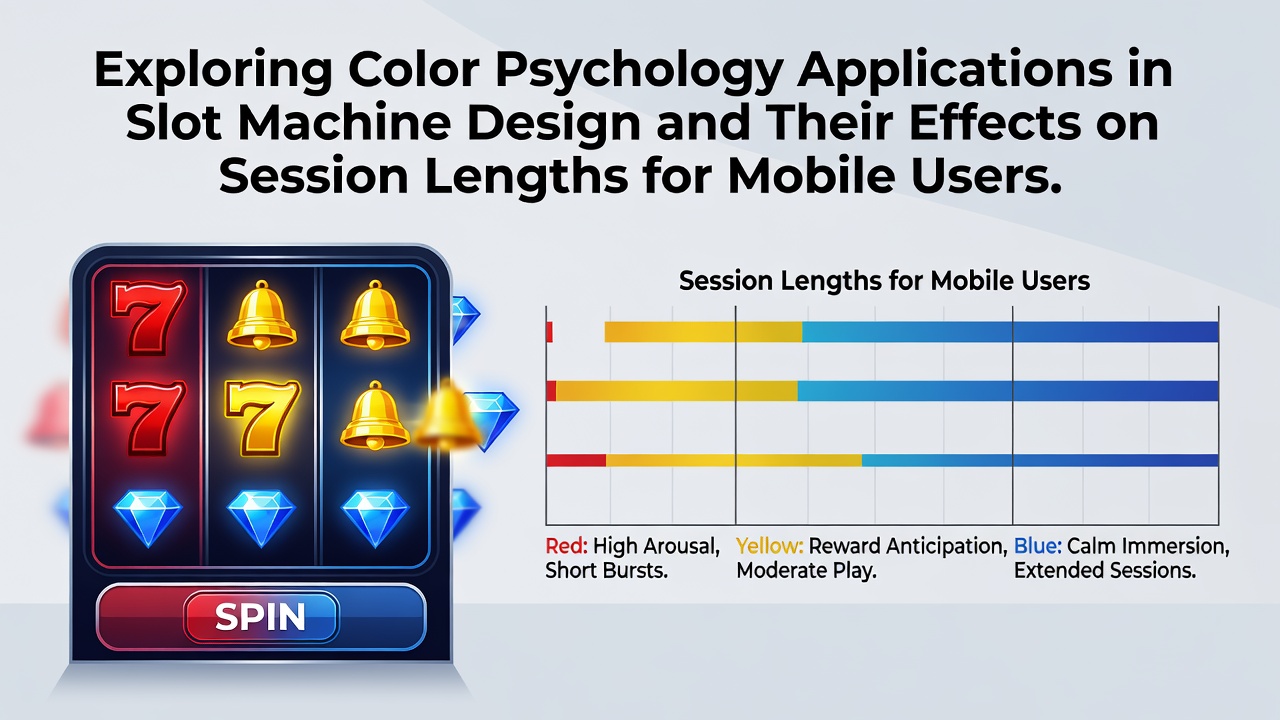
Color selections in slot machine interfaces draw from established psychological principles that link specific hues to emotional responses and behavioral tendencies, and researchers have documented these connections across digital gambling platforms since the expansion of mobile gaming. Studies conducted by academic institutions in North America and Europe indicate that warm tones such as reds and oranges often correlate with heightened arousal states while cooler shades like blues and greens tend to promote calmer decision-making processes during extended play periods. Data collected from mobile user analytics in 2025 revealed measurable differences in average session durations when developers adjusted background and accent colors on slot titles, with certain combinations extending play times by noticeable margins compared to neutral palettes.
Core Principles of Color Application in Digital Slots
Design teams at major gaming software providers apply these principles through iterative testing that measures click-through rates, spin frequency, and total time spent on individual games, and evidence from controlled experiments shows that red accents around win indicators can accelerate player responses while blue frames around balance displays encourage more deliberate betting patterns. Observers note that mobile screens amplify these effects because smaller displays concentrate visual focus, which intensifies the impact of color contrast ratios on attention spans. Reports from industry monitoring groups in Australia highlight that operators who integrated gradient transitions between high-energy and low-energy color zones recorded shifts in session metrics during peak usage hours in early 2026.
Mobile-Specific Design Adjustments and User Behavior Data
Mobile platforms introduce additional variables such as ambient lighting conditions and touch-screen interactions that influence how players perceive color saturation, and developers have responded by calibrating brightness levels and hue intensities to maintain consistency across device types. Research compiled by Canadian regulatory analysts in September 2026 demonstrated that sessions on devices with OLED screens showed stronger retention when designers used muted violet and teal combinations during bonus rounds, whereas standard LCD users responded more consistently to saturated gold and emerald schemes. Figures from platform telemetry indicate that these targeted adjustments produced average session extensions ranging from twelve to twenty-two minutes in controlled A/B tests conducted across multiple operators.
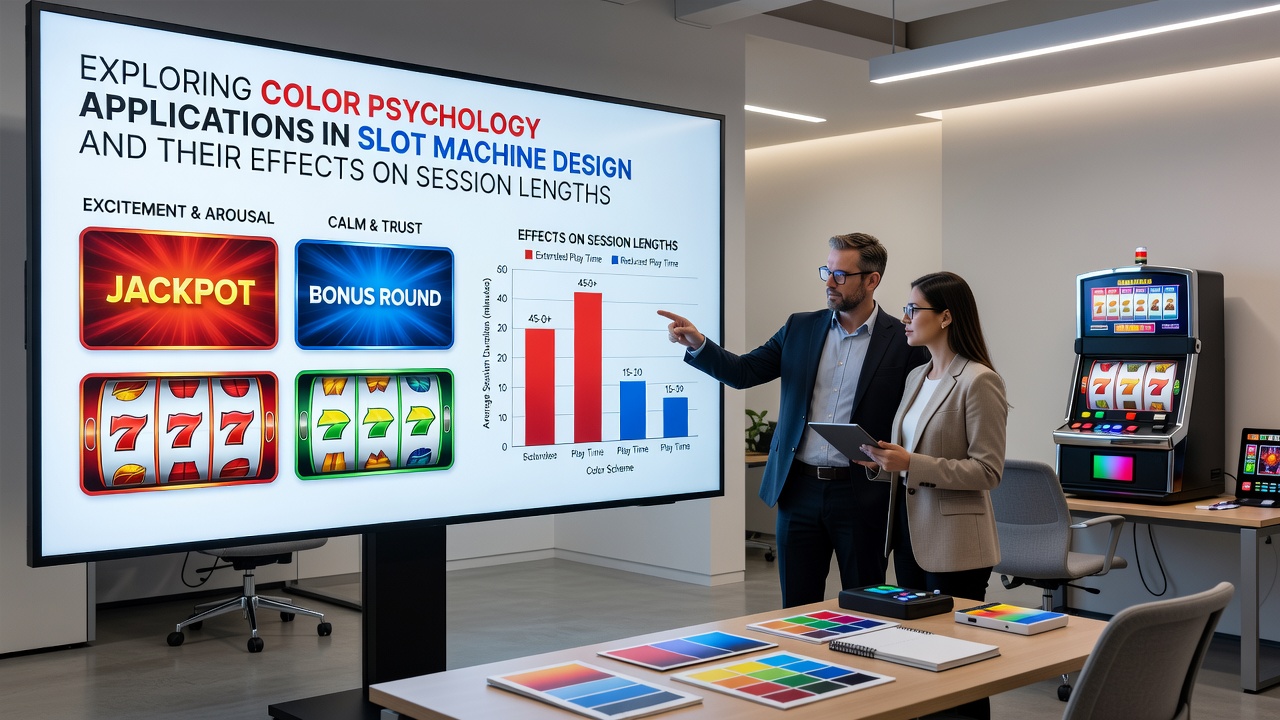
What's interesting is that developers now incorporate real-time adaptation features that shift color temperatures based on time-of-day data collected from user devices, and this approach has yielded measurable impacts on session continuity during evening hours when cooler tones predominate. Evidence gathered from European gambling research networks shows that players exposed to adaptive color systems completed more spins per session without increasing wager sizes, suggesting the effect operates primarily through sustained visual comfort rather than heightened excitement alone. Those who analyzed transaction logs across several thousand accounts found that color-driven retention patterns held steady across age demographics, although younger users displayed slightly higher sensitivity to contrast changes on high-refresh-rate screens.
Documented Effects on Session Length Across Platforms
Longitudinal data from global mobile gambling ecosystems reveal that slots employing balanced color psychology frameworks maintain higher completion rates for full session cycles compared to titles relying on single-dominant palettes, and analysts attribute this difference to reduced visual fatigue during thirty-minute-plus engagements. A study released by an Australian university research center in mid-2026 tracked over 150,000 mobile sessions and identified that interfaces combining warm foreground elements with cool background layers extended average play duration by approximately eighteen percent relative to monochromatic designs. Operators have since adjusted their development pipelines to include color mapping protocols that align with these findings, integrating feedback loops from player telemetry to refine hue selections on an ongoing basis.
Patterns observed in cross-platform comparisons further indicate that color transitions during feature triggers can either interrupt or prolong momentum depending on the saturation levels chosen, and mobile-specific testing has confirmed that gradual shifts produce smoother continuity than abrupt changes. Regulatory bodies in multiple jurisdictions have begun requesting disclosure of these design parameters as part of responsible gaming audits, recognizing their potential influence on player time allocation. Data aggregated from North American markets shows consistent correlations between palette variety and session length metrics, with operators reporting incremental gains when they refreshed older titles with updated color frameworks calibrated for contemporary device capabilities.
Conclusion
Color psychology applications in mobile slot design continue to evolve alongside advancements in display technology and user behavior analytics, and available evidence points to measurable influences on session lengths when specific hue combinations are deployed systematically. Developers and researchers maintain ongoing collaboration to refine these approaches, drawing from expanding datasets that capture regional and device-based variations in player responses. As mobile gaming volumes increase through 2026 and beyond, the integration of color-informed design elements remains a documented factor in shaping engagement patterns across global platforms.