Biometric Feedback Loops Refining Bonus Claim Timing Across Mobile Poker Interfaces
Leon Reed · Oct 9, 2026
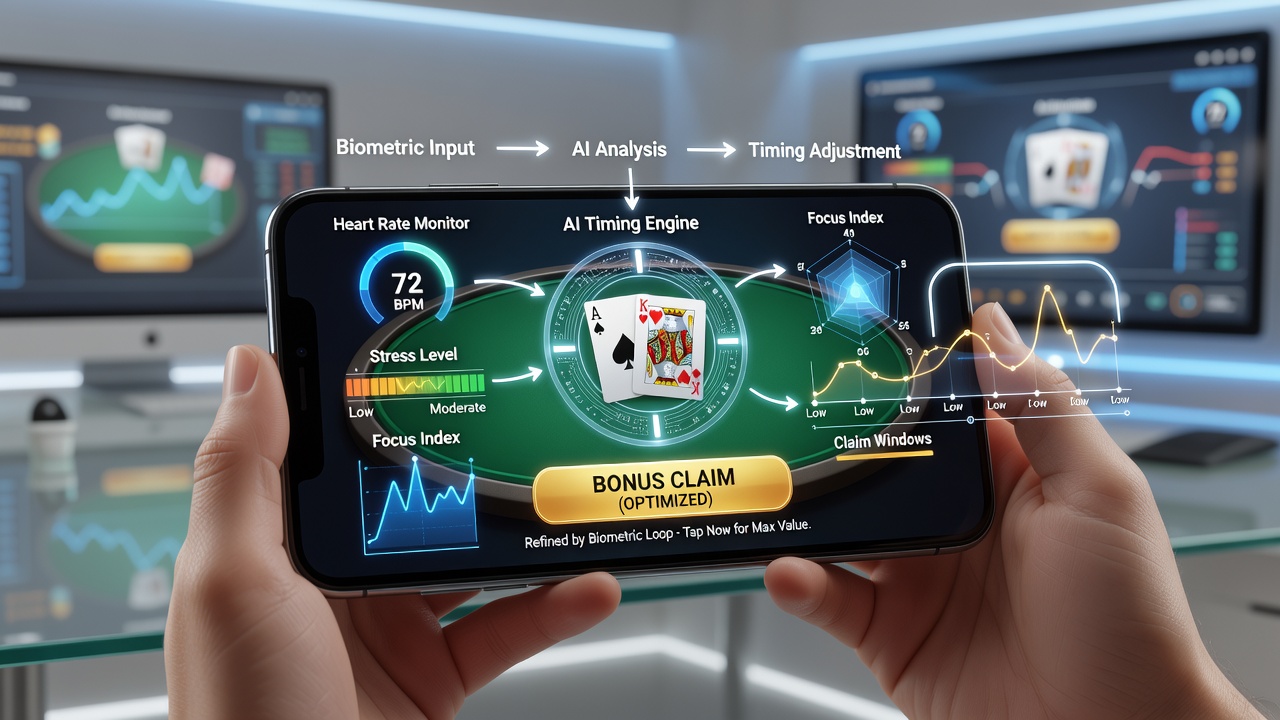
Biometric Feedback Loops Refining Bonus Claim Timing Across Mobile Poker Interfaces
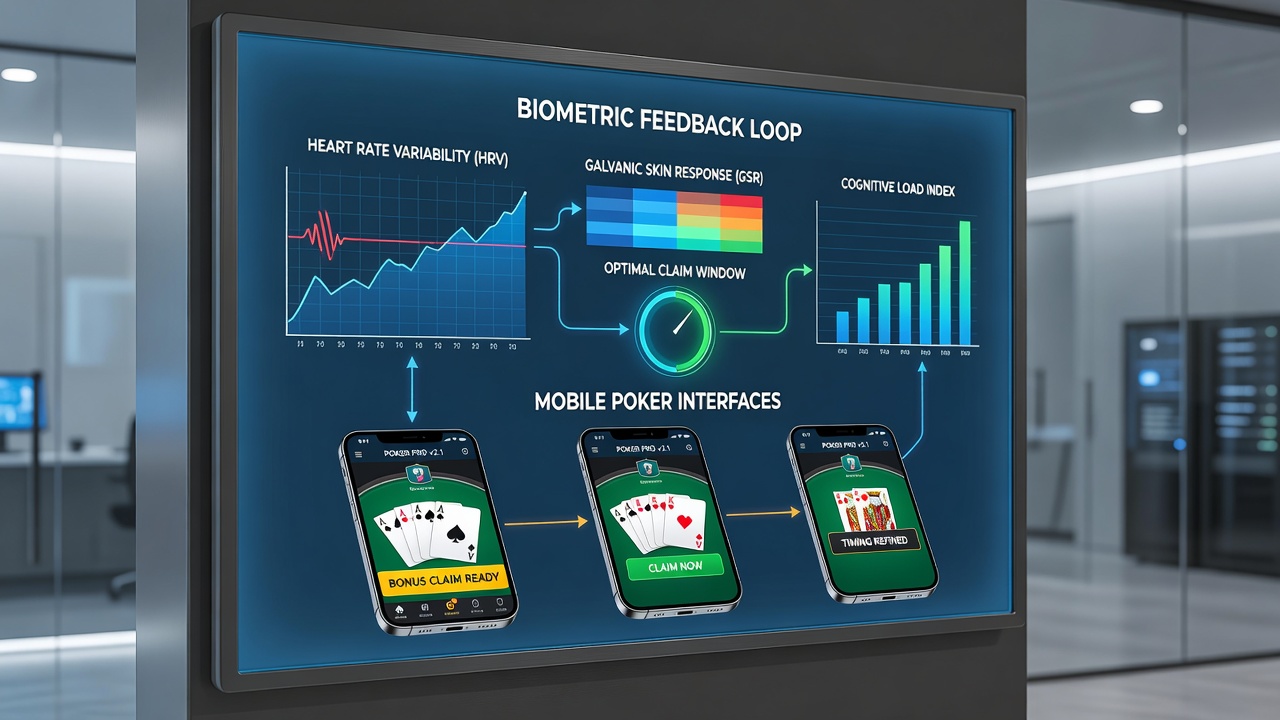
Biometric feedback loops have entered mobile poker applications through device sensors that track heart rate variability, skin conductance, and facial recognition data during gameplay. These systems analyze player responses in real time and adjust the presentation of bonus claim prompts to align with detected physiological states. Data from wearable integrations and smartphone cameras feed into algorithms that predict optimal moments for users to activate rewards without disrupting session flow.
Core Mechanisms in Sensor Integration
Researchers at institutions focused on digital behavior have documented how apps collect baseline biometric readings during initial logins then update those profiles continuously as hands progress. Heart rate spikes often correlate with high-stakes decisions while steadier patterns appear during routine folds or checks. The loop closes when the software cross-references these signals against historical bonus redemption data to time offers that coincide with lower stress indicators or moments of engagement recovery.
One study from the University of Sydney examined player cohorts across several platforms and found measurable shifts in claim rates when timing aligned with detected recovery phases rather than fixed intervals. Australian Institute of Family Studies reports from early 2026 further detail similar patterns emerging in cross-platform deployments where sensor permissions were granted.
Algorithmic Timing Adjustments Observed in 2026
By October 2026 several major mobile poker providers had rolled out updates that incorporated multi-signal fusion from both onboard accelerometers and optional external heart monitors. These refinements allowed interfaces to delay or advance bonus windows based on detected fatigue markers such as prolonged screen dwell times combined with rising pulse rates. Observers note that the approach reduces instances of players overlooking available rewards during intense sequences while avoiding interruptions at critical betting junctures.
Platform telemetry shared in industry briefings indicates that bonus activation windows now shift dynamically within a 45-second range around standard triggers. This flexibility stems from machine learning models trained on aggregated anonymized sessions collected over multiple regulatory jurisdictions. What's interesting is how regional differences in sensor accuracy requirements have prompted developers to standardize fallback timing rules when biometric consent remains limited.
Regulatory and Data Handling Context
Canadian provincial regulators have begun requiring explicit disclosure of biometric data usage in app store descriptions and in-game notices for any title operating within their borders. Similar expectations appear in Singapore's remote gambling framework updates released mid-2026. These rules emphasize opt-in mechanisms and periodic data purging schedules that limit retention of raw physiological readings to 30 days unless extended consent is obtained.
Industry organizations tracking mobile gaming metrics report that adoption rates for biometric features vary significantly by market maturity. Markets with established responsible gaming mandates show higher rates of granular consent options compared with newer entrants. Figures reveal that sessions incorporating feedback-adjusted bonus timing maintain comparable average durations to non-biometric versions yet display altered redemption clustering around detected calm periods.
Implementation Examples Across Platforms
Take one developer that integrated eye-tracking via front-facing cameras to supplement pulse data. That addition allowed finer calibration of bonus visibility when users exhibited rapid gaze shifts indicative of distraction. Another case documented by academic observers involved testing across European operators where baseline stress profiles helped stagger reward claims during multi-table sessions without increasing overall playtime.
Those who've examined the underlying code structures describe feedback loops as operating on edge processing for immediate adjustments with periodic cloud synchronization for model retraining. This hybrid setup minimizes latency while allowing broader pattern recognition across user bases. Evidence suggests the method produces more consistent engagement metrics when compared against static scheduling approaches used prior to 2025.
Conclusion
Biometric feedback systems continue to evolve within mobile poker environments through iterative refinements to sensor fusion and timing logic. Current deployments as of late 2026 demonstrate measurable integration of physiological signals into reward mechanics while operating under expanding regulatory scrutiny on data practices. Future iterations may incorporate additional signals from emerging wearable standards yet will remain bounded by consent frameworks already established across multiple jurisdictions.